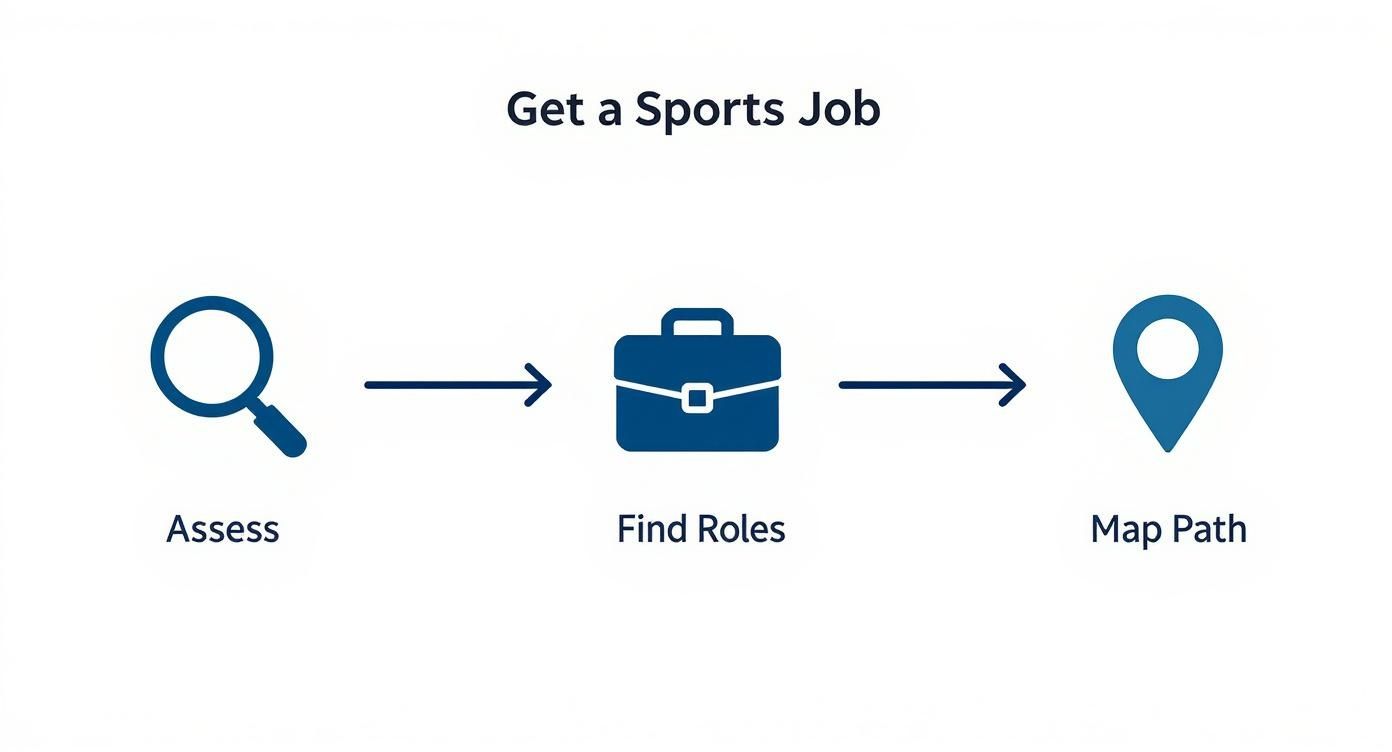
The roar of the crowd, the thrill of victory-working in sports marketing puts you at the heart of the action. But breaking into this competitive field requires more than just being a fan. The game has changed, and today's sports marketing job requirements demand a unique blend of digital savvy, data-driven strategy, and deep industry knowledge. Whether you're aiming for an entry-level role with a team or a senior position at a major sports brand, understanding the core competencies that hiring managers are looking for is your first step toward building a winning career.
This comprehensive guide breaks down the non-negotiable requirements, offering a clear roadmap to help you stand out from the competition. We're moving beyond generic advice to provide a detailed playbook for what it takes to succeed. Inside, you will find:
- A deep dive into 8 essential skill areas: From digital marketing and data analytics to brand strategy and sponsorship sales.
- Role-specific breakdowns: See how requirements differ for coordinator, manager, and director-level positions.
- Actionable tips for closing skill gaps: Practical steps to gain the experience you need, even if you're just starting out.
- Portfolio and resume guidance: Learn how to translate your skills into a compelling application that gets you noticed by top employers.
Think of this as your personal scouting report. We've analyzed the field and identified precisely what teams, leagues, and agencies prioritize when building their marketing rosters. Let's get started on crafting your game plan.
1. Sports Industry Knowledge and Experience
A deep, authentic understanding of the sports world is a non-negotiable foundational requirement for any sports marketing role. This goes far beyond being a casual fan; it involves a sophisticated grasp of league structures, team operations, athlete branding, fan psychology, and the intricate business dynamics that drive the industry. Hiring managers seek candidates who are not just passionate but also literate in the language and culture of sports.
This knowledge is the bedrock upon which all other skills are built. A brilliant digital marketer who doesn't understand the nuances of the NFL's collective bargaining agreement or the cultural significance of March Madness will struggle to create resonant campaigns. True expertise means comprehending the unique market position of organizations like the NBA, MLB, and the Premier League, as well as the distinct challenges and opportunities within collegiate athletics (NCAA) and burgeoning sectors like esports.
How to Demonstrate Your Expertise
Proving you have this crucial knowledge is key. It's not just about listing your favorite teams on your resume; it's about showcasing your engagement with the industry's business side.
- Previous Roles & Internships: Direct experience is the gold standard. Internships with teams, leagues, or sports marketing agencies provide invaluable, hands-on learning.
- Tangible Projects: Volunteering for a local marathon, managing social media for a college team, or even running a successful sports blog or podcast demonstrates initiative and practical application.
- Informed Conversation: During interviews, your ability to discuss current events, like recent sponsorship deals or player endorsement trends, will set you apart. Reference insights from industry-leading publications like the Sports Business Journal to show you're plugged in.
Key Insight: Employers aren't just hiring a marketer; they are hiring a sports business professional who understands the product, the audience, and the competitive landscape from the inside out. Your ability to connect marketing strategy to specific sports-world contexts is a primary differentiator.
Actionable steps to deepen your industry knowledge include diligently following top-tier sports business news, attending industry conferences to network, and pursuing a relevant degree or certification in sports management. This comprehensive understanding is one of the most critical sports marketing job requirements because it ensures your work is authentic, relevant, and ultimately, effective.
2. Digital Marketing and Social Media Expertise
In today's digital-first landscape, proficiency in online marketing and social media is an essential requirement for a sports marketer. This extends beyond simply posting updates; it involves a strategic command of content creation, community management, digital advertising, and analytics to engage modern fanbases where they live online. Hiring managers prioritize candidates who can build and execute campaigns on platforms like Instagram, TikTok, X (formerly Twitter), and YouTube, driving measurable results from brand awareness to ticket sales.
This expertise is the engine of modern fan engagement. A marketing professional who cannot harness the power of a viral TikTok trend, run a targeted Instagram ad campaign for merchandise, or analyze YouTube viewership data is missing a massive piece of the audience puzzle. Mastery in this area means understanding the unique content formats and user behaviors of each platform, from Instagram Reels to YouTube Shorts, and leveraging them to tell compelling stories for teams, leagues, and athletes.

How to Demonstrate Your Expertise
Showcasing your digital and social media skills requires a portfolio of tangible results and a clear understanding of performance metrics. It's about proving you can not just create content, but create content that achieves specific business goals.
- Platform-Specific Campaigns: Develop and manage a social media campaign for a small local team or create a spec campaign for your favorite professional team. Document your strategy, content, and results (or projected results).
- Analytics and Reporting: Learn to use native analytics tools on each platform as well as third-party dashboards like Hootsuite or Sprout Social. Create sample reports that show how you measure success through engagement rates, reach, and conversions.
- Content Creation Skills: Build a portfolio of your own content. This could include short-form videos you've edited, graphics you've designed using Canva, or compelling copy you've written. This demonstrates your hands-on ability to produce professional-grade assets.
Key Insight: Employers are looking for digital strategists who can connect online activity to offline results. Your value lies in your ability to prove how a well-executed social media plan can sell tickets, increase merchandise sales, and build a stronger, more engaged global fanbase.
To build these skills, dedicate time to studying successful campaigns like the NBA's masterful use of TikTok to reach Gen Z. Master platform-specific formats, learn basic video editing, and become proficient with social media management tools. This technical proficiency is one of the most in-demand sports marketing job requirements, as it directly impacts a brand's ability to stay relevant and connected with its audience. For more insights into specific roles, you can explore various marketing positions in the sports industry.
3. Data Analysis and Analytics Skills
The modern sports industry runs on data, making analytics a critical pillar of effective marketing. This requirement moves beyond basic reporting; it demands the ability to interpret complex data sets related to fan behavior, ticket sales, campaign performance, and market research. Sports marketers are now expected to be data-fluent, using insights to drive strategy, prove ROI, and make informed decisions that impact everything from sponsorship valuations to content creation.
This shift from intuition-based to data-driven marketing is a game-changer. A creative campaign is only as good as its measurable impact, and employers need professionals who can quantify success. Understanding analytics means being able to answer crucial questions: Which social media posts drive the most ticket conversions? What is the lifetime value of a season ticket holder? How effective was our latest partnership activation? For example, the Boston Red Sox use predictive analytics to optimize ticket pricing, while ESPN+ leverages viewing data to greenlight new content that resonates with specific audience segments.
How to Demonstrate Your Expertise
Proving your analytical prowess requires showing, not just telling. You must demonstrate a capacity for turning raw numbers into strategic actions that benefit the organization's bottom line.
- Proficiency with Tools: Highlighting experience with platforms like Google Analytics, Tableau, or Power BI is essential. Even creating a mock dashboard analyzing a team's social media performance can serve as a powerful portfolio piece.
- Data-Driven Projects: Showcase any project where you used data to achieve a goal. This could be optimizing a paid ad campaign for a university athletics department or creating a post-event report for a local 5k race, detailing attendee demographics and engagement.
- Statistical Understanding: In an interview, be prepared to discuss key metrics like engagement rate, cost per acquisition (CPA), and fan lifetime value (LTV). Explaining how you would set up A/B testing for an email campaign or measure sponsorship effectiveness will underscore your technical competence.
Key Insight: In today's competitive market, sports organizations are accountable for every dollar spent. A marketer who can translate data into compelling business cases for budget allocation and strategic pivots is an indispensable asset. Your ability to connect analytics to revenue is a core component of modern sports marketing job requirements.
To build these skills, take free online courses in data visualization tools, study basic statistical concepts, and practice creating monthly analytics reports for a personal or volunteer project. Following sports analytics leaders on social media will also keep you current on industry trends. For those looking to dive deeper, exploring roles in sports analytics can provide a specialized career path. Learn more about sports analytics roles on getsportjobs.com.
4. Brand Management and Strategy Development
A core competency for any sports marketer is the ability to build, manage, and protect a brand's identity. This goes beyond designing logos or running advertisements; it involves creating a cohesive brand narrative that resonates with fans, sponsors, and the media. It requires a strategic understanding of how to position a team, league, or athlete in a crowded market to build lasting emotional connections and long-term brand equity.
This skill is crucial because a strong brand can turn casual viewers into lifelong fans and transform athletic performance into a powerful commercial asset. A sports marketer who excels in brand strategy can navigate public relations challenges, forge lucrative partnerships, and ensure every piece of communication, from a social media post to a stadium-wide campaign, reinforces the brand's core values. This includes understanding brand psychology, competitive positioning, and aligning all organizational stakeholders, from the front office to the players on the field.

How to Demonstrate Your Expertise
Proving your brand management acumen involves showing you can think strategically and execute consistently. It's about demonstrating your ability to shape perception and drive loyalty through deliberate, planned actions.
- Portfolio Examples: Showcase projects where you developed brand guidelines, created a messaging framework for a campaign, or conducted a competitive brand analysis. Even a conceptual rebranding project for a college team can highlight your strategic thinking.
- Case Study Knowledge: Be prepared to discuss successful sports brand strategies. Analyze how Nike transformed the Colin Kaepernick controversy into a statement of brand values or how Liverpool FC's modern brand positioning amplified its global reach.
- Strategic Planning Skills: In an interview, articulate how you would approach a brand challenge. For example, describe the steps you would take to reposition a team after a losing season or build a personal brand for a rookie athlete.
Key Insight: Employers are looking for brand architects, not just marketers. They need professionals who can see the big picture, ensuring that every fan interaction and partnership deal serves the long-term health and perception of the brand.
To build this skill set, practice creating comprehensive brand strategy documents, conduct brand health tracking studies using tools like social listening, and study how top-tier organizations like Manchester United maintain a consistent global brand. Possessing this strategic mindset is one of the most vital sports marketing job requirements for roles that involve shaping the public identity of an organization or athlete.
5. Communication and Content Creation Skills
In sports marketing, the ability to tell a compelling story is paramount. Strong communication and content creation skills involve crafting powerful narratives across various media, from written articles and social media updates to high-impact videos and engaging graphics. It's about transforming game statistics, athlete journeys, and team milestones into content that captivates and connects with fans on an emotional level.

This skill set is the engine of modern fan engagement. A marketer must be a versatile creator, capable of producing a short-form TikTok video that captures the energy of a game-winning shot, writing a long-form blog post that delves into a team's history, and designing a visually striking infographic for a sponsorship proposal. Platforms like The Players' Tribune have demonstrated the immense power of athlete-driven storytelling, while Gatorade's iconic campaigns show how brand narratives can become part of the sports culture itself.
How to Demonstrate Your Expertise
Showcasing your content creation abilities requires a tangible portfolio that highlights both your creativity and your technical proficiency. Employers want to see that you can not only come up with great ideas but also execute them professionally.
- Build a Diverse Portfolio: Create a collection of your work that includes different formats. This could feature blog posts, social media campaign mockups, short videos you've edited, or graphic designs created with tools like Canva or Adobe Creative Suite.
- Practice Writing Across Platforms: Demonstrate versatility by writing in different voices and formats. Author a guest post for a sports blog, create a script for a short documentary, and practice writing sharp, concise copy for social media platforms like X (formerly Twitter) and Instagram.
- Develop Multimedia Skills: Gain hands-on experience with video and audio production. Taking online courses in video editing or learning the basics of podcast production can significantly enhance your resume and show you are adaptable to modern content demands.
Key Insight: Content is the currency of modern sports marketing. Employers are looking for multifaceted communicators who can articulate a brand's message, an athlete's story, or a team's identity in a way that resonates deeply with a diverse audience and drives engagement across all digital channels.
Mastering this is one of the most essential sports marketing job requirements because it directly influences how fans perceive and interact with a brand. By studying award-winning campaigns and consistently honing your craft, you can prove you have the creative and technical skills needed to produce content that stands out in a crowded marketplace.
6. Event Management and Activation Planning
Expertise in live event management is a cornerstone of the sports industry, transforming passive viewership into active, memorable brand engagement. This skill set involves the meticulous planning, execution, and measurement of everything from large-scale sponsorship activations at the Super Bowl to local pre-game fan zones. It's about creating immersive experiences that forge a powerful, emotional connection between fans, athletes, and brands.
This requirement is critical because live events are where a brand's promise comes to life. A marketer who excels in activation planning can turn a simple sponsorship into a viral moment, driving significant media coverage and fostering deep brand loyalty. They understand the complex logistics of venue management, vendor coordination, budgeting, and on-site execution needed to pull off a flawless event. This includes everything from organizing an NBA All-Star Weekend brand experience to managing a fan festival at the NCAA Final Four.
How to Demonstrate Your Expertise
Showcasing your ability to manage live events requires more than just stating you are organized; it demands tangible proof of your planning and execution capabilities.
- Portfolio of Events: Document every event you've worked on, big or small. Include photos, project plans, timelines, and budgets. Highlight your specific role and contributions.
- Volunteer and Small-Scale Roles: Gaining experience by volunteering for a local 5K race, assisting with a college team's promotional night, or helping a non-profit with a fundraising gala demonstrates initiative and builds foundational skills.
- Detailed Project Plans: In an interview, be prepared to walk through a hypothetical event plan. Discuss how you would set clear success metrics, build a contingency budget (a 15-20% buffer is standard), and conduct a post-event ROI analysis.
Key Insight: Top candidates are not just event planners; they are experience architects. They understand how to blend digital and physical elements to create a seamless fan journey that begins before the event and continues long after it ends, maximizing brand impact and data capture.
Developing these skills is a vital part of meeting sports marketing job requirements. Building relationships with venue managers and vendors is just as important as mastering project management software. A strong foundation in event management and activation planning can open doors to some of the most exciting roles in the industry. For those looking to specialize, you can explore various event management roles on getsportjobs.com to see what opportunities are available.
7. Sales Acumen and Sponsorship Expertise
The lifeblood of most sports organizations is revenue generated from corporate partnerships and sponsorships. Consequently, a strong aptitude for sales is a fundamental requirement for many sports marketing roles. This involves much more than just making a sales call; it requires a strategic approach to identifying potential sponsors, crafting compelling value propositions, negotiating complex deals, and managing long-term, mutually beneficial relationships.
This skill set directly fuels the organization's growth, funding everything from player salaries and stadium upgrades to community initiatives. A marketer who can effectively translate brand assets like stadium signage, digital content, and fan engagement into tangible ROI for a sponsor is invaluable. Expertise in this area means understanding the sponsor's business goals, whether it's brand awareness, lead generation, or corporate hospitality, and creating customized packages that deliver measurable results, from Nike's league-wide apparel deals to a local car dealership sponsoring a minor league team.
How to Demonstrate Your Expertise
Proving you can generate revenue is one of the most powerful ways to stand out. It's about showing you understand how to build partnerships that create financial value and brand alignment.
- CRM & Sales Tools: Proficiency with CRM platforms like Salesforce or HubSpot is often a prerequisite. Showcase your ability to manage a sales pipeline, track leads, and report on partnership performance.
- Tangible Projects: Develop a mock sponsorship prospectus for a team or event. This demonstrates your ability to identify assets, value them, and present them professionally. Volunteer to secure local sponsors for a charity 5K or a university club event.
- Negotiation Skills: In interviews, be prepared to discuss how you would structure a deal. Talk about activation strategies, exclusivity clauses, and performance metrics. Citing examples like Manchester United's multi-layered sponsorship portfolio shows you understand the mechanics of high-value partnerships.
Key Insight: Employers are looking for marketers who think like business owners. Your ability to directly connect marketing activities to revenue generation through sponsorship is one of the most critical sports marketing job requirements, transforming you from a cost center to a profit driver.
Actionable steps to build this expertise include studying successful sponsorship deals documented by firms like IEG, learning basic financial concepts like ROI calculation, and actively networking with partnership managers at industry events. This commercial mindset ensures that creative marketing efforts are always tied to a sustainable business model.
8. Project Management and Organizational Skills
The fast-paced, event-driven nature of the sports industry demands exceptional project management and organizational skills. This involves more than just staying on top of tasks; it requires orchestrating complex campaigns with numerous moving parts, managing multiple stakeholders, and adapting to unpredictable changes, all while hitting immovable deadlines set by the sports calendar. Hiring managers prioritize candidates who can bring order to the chaos of a game-winning buzzer-beater or a last-minute sponsorship activation.
These skills are the operational backbone of any successful sports marketing initiative. A creative genius with a groundbreaking campaign idea will fail if they cannot manage the budget, coordinate with vendors, align internal teams, and execute flawlessly under pressure. Whether it's launching a season ticket drive, coordinating a multi-market World Cup sponsorship activation, or executing a comprehensive team rebrand, the ability to manage timelines, resources, and people is what transforms a great idea into a tangible business result.
How to Demonstrate Your Expertise
Proving you can manage complex projects requires showcasing a history of successful execution and a mastery of organizational methodologies. You must demonstrate that you are a reliable leader who can deliver results on time and on budget.
- Previous Roles & Internships: Highlighting your role in managing event logistics, campaign rollouts, or content calendars is crucial. Use metrics to quantify your success, such as "coordinated a 15-city promotional tour, finishing 10% under budget."
- Tangible Projects: Detail your experience with project management software like Asana, Trello, or Monday.com on your resume. You can also present a sample project plan or a detailed marketing calendar from a past role or even a university project in your portfolio.
- Informed Conversation: During an interview, be prepared to discuss how you would manage a hypothetical scenario, like launching a new co-branded merchandise line. Explain how you would define the scope, set milestones, manage stakeholder communication, and mitigate potential risks, proving you understand the strategic process.
Key Insight: Employers in sports marketing need professionals who can do more than just brainstorm; they need executors who can steer a project from kickoff to completion. Your ability to demonstrate a systematic, organized, and proactive approach to management is a powerful signal of your value and reliability.
Actionable steps to strengthen these skills include earning a certification like the Certified Associate in Project Management (CAPM) from the Project Management Institute (PMI) or mastering Agile methodologies. This disciplined approach is one of the most vital sports marketing job requirements because it ensures campaigns are not only creative but also strategically sound and impeccably executed.
8-Point Sports Marketing Job Requirements Comparison
| Skill / Area | 🔄 Implementation complexity | ⚡ Resource requirements | ⭐ Expected outcomes | 📊 Ideal use cases | 💡 Key advantages |
|---|---|---|---|---|---|
| Sports Industry Knowledge and Experience | High — multi-year learning, evolving landscape 🔄🔄🔄 | Low $ but high time/experience (events, internships) ⚡ | Credibility & strategic insight ★★★★ | Market entry, stakeholder communication, strategy development | Builds authenticity with fans; identifies untapped opportunities 💡 |
| Digital Marketing and Social Media Expertise | Moderate — platform-specific skills + rapid change 🔄🔄 | Moderate — tools, content production, ad budgets ⚡⚡ | High reach & engagement potential ★★★★★ | Fan growth, viral campaigns, influencer activations | Real-time measurement; scalable and cost-effective 💡 |
| Data Analysis and Analytics Skills | High — technical tools, stats, data governance 🔄🔄🔄 | Moderate–High — analytics platforms, data sources, training ⚡⚡⚡ | Precise, data-backed decisions; improved ROI ★★★★★ | Attribution, segmentation, predictive modeling, sponsorship valuation | Enables budget efficiency and early trend detection 💡 |
| Brand Management and Strategy Development | High — cross-functional alignment, long time horizon 🔄🔄🔄 | High — research, creative assets, stakeholder investment ⚡⚡⚡ | Long-term brand equity and pricing power ★★★★ | Rebrands, sponsorship strategy, global positioning | Sustainable competitive advantage; emotional fan bonds 💡 |
| Communication and Content Creation Skills | Moderate — creative workflows and production oversight 🔄🔄 | Moderate — studio tools, editors, time for content ⚡⚡ | Strong emotional engagement and recall ★★★★ | Storytelling campaigns, athlete narratives, social content | Adaptable across channels; differentiates brand voice 💡 |
| Event Management and Activation Planning | High — logistics, vendor coordination, contingency planning 🔄🔄🔄 | High — budgets, on-site staff, vendor contracts ⚡⚡⚡ | High experiential impact and earned media ★★★★ | Live activations, fan festivals, sponsorship activations | Direct fan engagement; produces social content and PR 💡 |
| Sales Acumen and Sponsorship Expertise | Moderate–High — relationship building and negotiation 🔄🔄 | Moderate — CRM, travel, networking resources ⚡⚡ | Direct revenue generation and long-term deals ★★★★★ | Sponsorship sales, partnership expansions, revenue pipelines | Direct monetization; high earning potential and leverage 💡 |
| Project Management and Organizational Skills | Moderate — coordination across teams and timelines 🔄🔄 | Low–Moderate — PM tools, planning time, stakeholder meetings ⚡⚡ | Reliable on-time delivery and scalable execution ★★★★ | Campaign coordination, multi-market rollouts, rebrands | Prevents overruns; improves team productivity and reliability 💡 |
Your Next Play: Turning Requirements into a Career
Navigating the dynamic landscape of the sports industry requires more than just passion for the game; it demands a strategic blend of skills, knowledge, and hands-on experience. Throughout this guide, we've dissected the core sports marketing job requirements that separate top-tier candidates from the rest of the pack. From the analytical rigor of data interpretation to the creative finesse of brand storytelling, each requirement serves as a critical building block for a successful career.
The journey begins with a deep, authentic understanding of the sports industry itself, but it quickly branches into specialized competencies. You've seen how digital marketing and social media are no longer optional but are the primary channels for fan engagement. We've highlighted how data analysis has transformed decision-making, turning gut feelings into evidence-backed strategies. Mastering these areas is non-negotiable for the modern sports marketer.
Synthesizing Your Skill Set for the Win
Think of the eight key requirements we've explored as positions on a team. You might be a star player in one area, like content creation, but you still need to be a competent team player in others, such as project management or sales. The most valuable professionals are not necessarily masters of every single skill, but those who understand how they interconnect to drive results.
- Brand Management and Strategy provide the playbook.
- Digital Marketing and Content Creation are the offensive line, executing the plays and engaging the audience.
- Data Analytics acts as the team scout, providing the intelligence needed to adjust the strategy.
- Event Management and Sponsorship Sales are the commercial engine, generating the revenue that fuels the entire operation.
Your task is to conduct a personal skills audit. Where are you a franchise player, and where do you need to spend more time in the training room? This self-awareness is the first step toward crafting a compelling narrative for hiring managers.
From Aspiration to Application: Your Action Plan
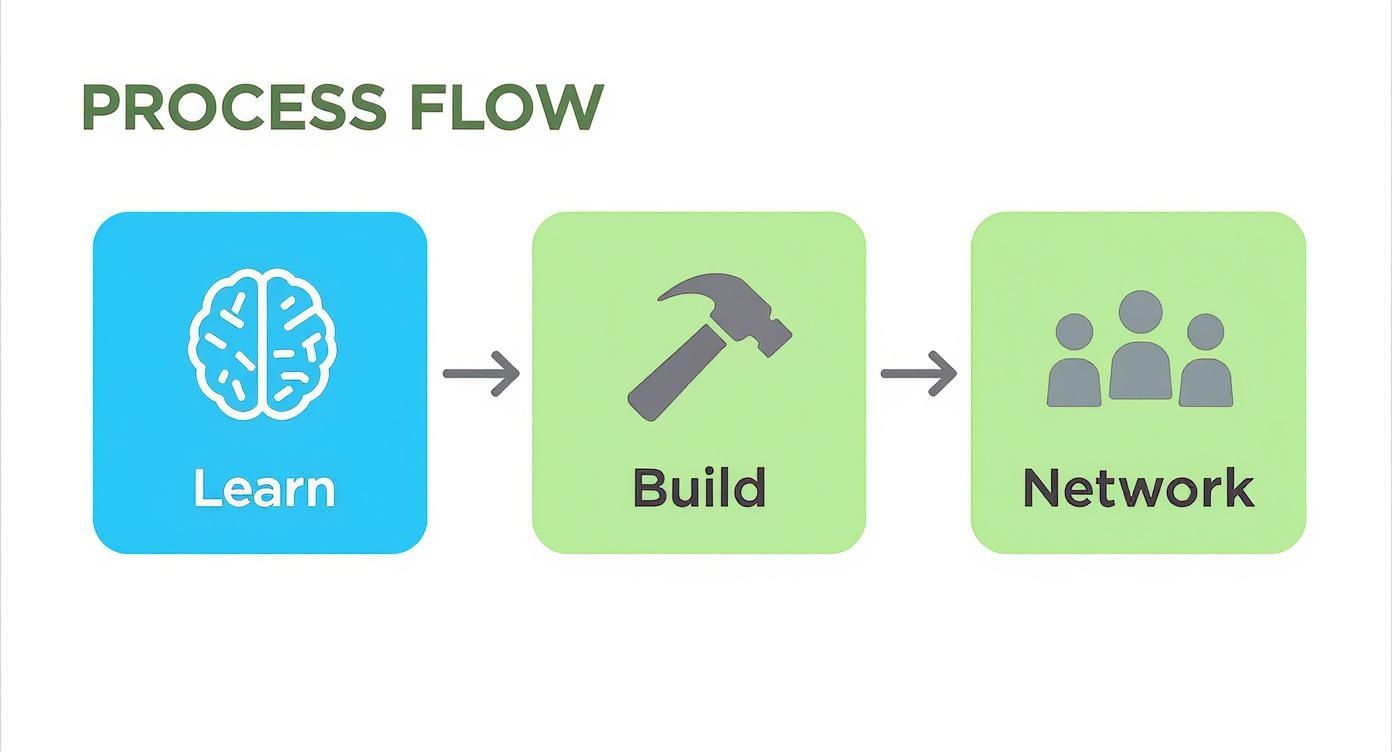
Understanding the sports marketing job requirements is only half the battle. The next, most crucial step is to translate that knowledge into a tangible plan. Don't let this list overwhelm you; instead, use it as a strategic roadmap to guide your professional development.
- Identify Your Top 1-2 Growth Areas: Are you a creative genius with limited analytical skills? Seek out certifications in Google Analytics or a data visualization tool like Tableau. Are you a data wizard who struggles with communication? Join a local Toastmasters club or start a sports-focused blog to hone your writing.
- Build Your Portfolio with Intention: Every project, whether a volunteer gig for a local 5k or a freelance social media campaign for a college team, should be a direct response to a specific job requirement. Document your process, quantify your results, and be prepared to speak about how that experience makes you the ideal candidate.
- Network with Purpose: Don't just collect contacts. When you connect with professionals in the industry, ask them which skills they find most valuable in their day-to-day roles. Inquire about the tools and technologies their teams are adopting. This insider information will help you prioritize your learning and development efforts effectively.
Ultimately, the path to a career in sports marketing is a marathon, not a sprint. It's about demonstrating a strong foundation, showcasing a relentless curiosity, and proving your commitment to continuous improvement. By strategically developing these competencies, you transform yourself from a hopeful fan into a qualified, high-value candidate ready for the big leagues. You have the playbook; now it's time to execute.
Ready to find the role where you can put these skills to the test? Start your search on GetSportJobs, the premier platform dedicated to connecting talented professionals with career opportunities across the global sports industry. Browse listings that match your unique qualifications and take the next step in your professional journey today. Find your perfect position at GetSportJobs.